+15,000 Happy Patients from +30 Countries

Digital Smile Design

How Is Transforming Modern Dentistry

A growing number of clinics can now show you what your new smile will roughly look like before a single tooth has been touched. That’s Digital Smile Design, usually just called DSD, and over the last decade or so it has become one of the more genuinely useful tools in cosmetic and restorative dentistry.

Here’s the plain version: what DSD actually is, how the process runs step by step, which treatments it gets paired with, what it can honestly promise (and what it can’t), and the questions worth asking before you put too much faith in a digital preview. The short version up front: a DSD simulation is a planning aid. It helps the clinical decision-making process, but it isn’t a substitute for an actual in-person exam, and it isn’t a guarantee that your final teeth will look pixel-for-pixel like the mockup.

What Is Digital Smile Design?

Digital Smile Design is a structured digital planning method, originally developed by Brazilian dentist Dr. Christian Coachman in the early 2000s, that combines high-resolution photography, video, and specialised software to analyse the relationship between a patient’s teeth, gums, lips, and overall facial features.

Rather than planning a smile makeover from static photographs and estimation alone, DSD allows the dental team to:

  • Digitally measure tooth proportions, midline position, and smile symmetry
  • Analyse how the teeth relate to the lips, gum line, and facial structure in motion, not just a still photo
  • Create a visual simulation of the proposed treatment outcome before any clinical work begins
  • Share this simulation with the patient, the dentist, and often the dental laboratory or ceramist, improving communication among everyone involved

How Does Digital Smile Design Actually Work? Step by Step

  1. Clinical photography and video — standardised, well-lit photos and short videos of the patient’s face and smile, including natural expressions and speech
  2. Digital facial and smile analysis — software overlays reference grids onto the photos to assess midline, incisal plane, gum symmetry, and tooth proportions
  3. Integration of 3D data — intraoral scans (STL files) and, where relevant, CBCT imaging are aligned with the facial photographs
  4. Digital smile simulation (2D and/or 3D) — the software generates a proposed new tooth shape, size, and alignment, mapped onto the patient’s own face
  5. Patient review and feedback — the patient sees the simulation and can discuss adjustments to shape, whiteness, or proportions before treatment begins
  6. Physical mock-up (optional but common) — a 3D-printed or hand-crafted trial version of the new smile can be placed temporarily in the mouth, so the patient can “test drive” the design and speak, smile and eat with it briefly
  7. Translation into the final treatment plan — the approved design guides tooth preparation, veneer or crown fabrication, gum contouring, orthodontic staging, or implant planning, depending on the treatment
  8. CAD/CAM fabrication — for restorative cases, the final veneers or crowns are milled or pressed based on the digital design, then adjusted and refined at try-in
Dentist performing a hands-on clinical exam before digital smile design planning
Every digital plan starts with a real, hands-on clinical look

Which Treatments Commonly Use Digital Smile Design?

DSD is not a treatment on its own — it is a planning layer that can be applied across many types of dental care, including:

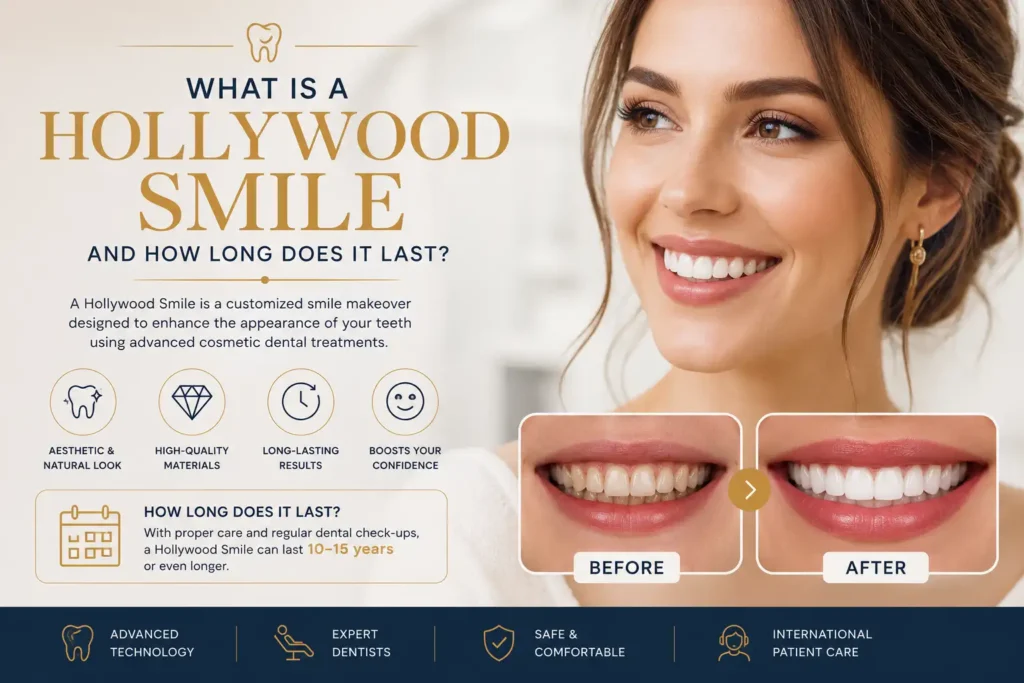
  • Hollywood Smile and full smile makeovers
  • Porcelain and E-max veneers
  • Zirconia crowns
  • Gum contouring (gingival reshaping)
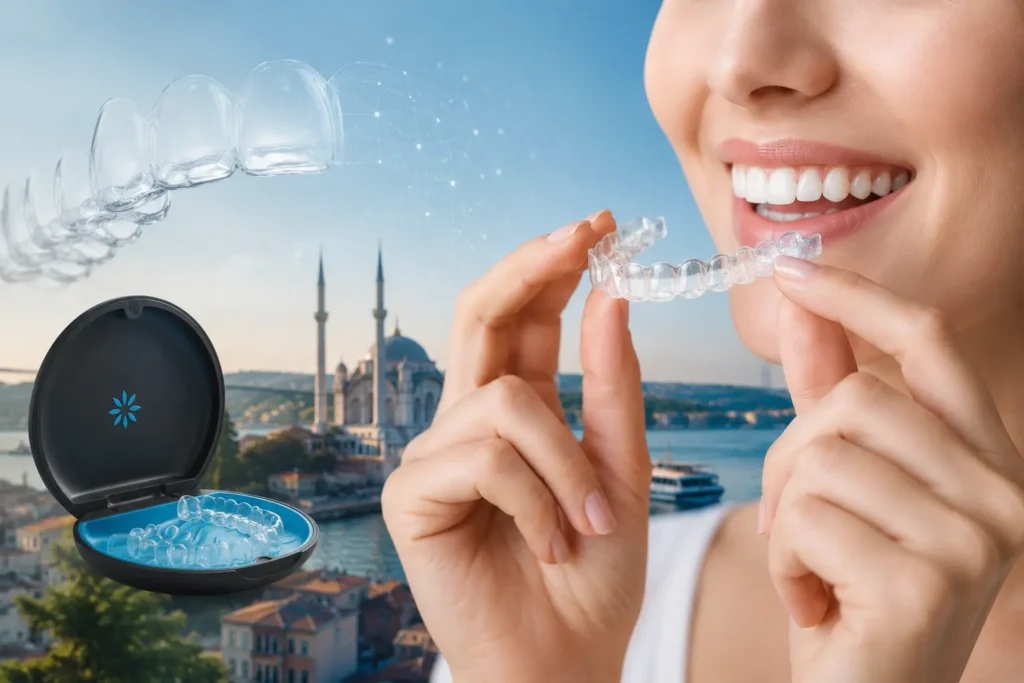
  • Orthodontic treatment, including Invisalign staging and midline correction
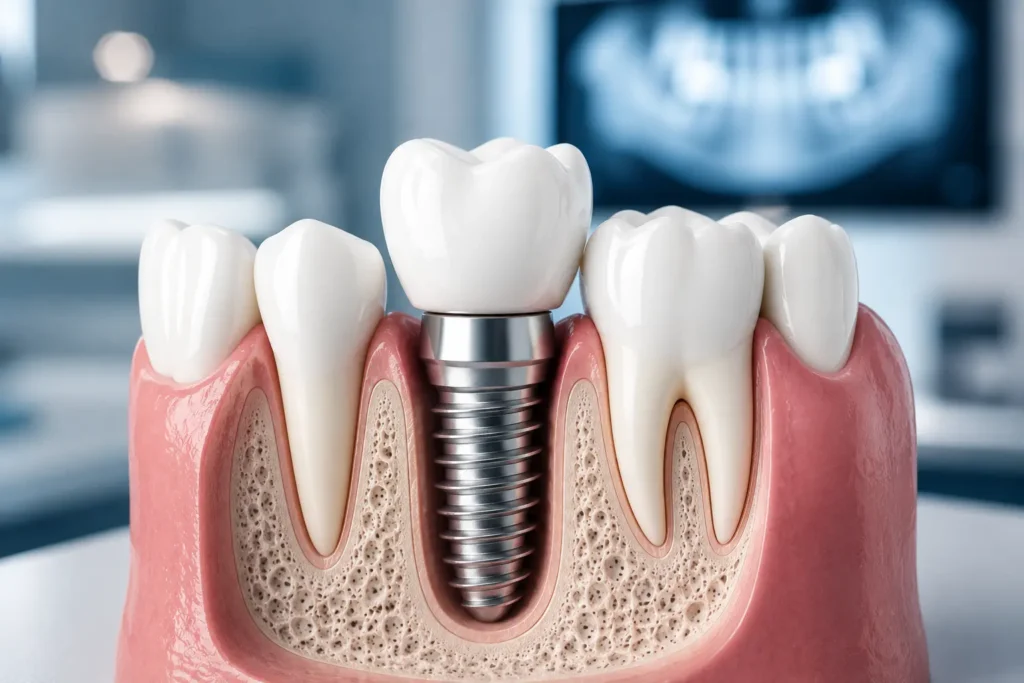
  • Dental implant and full-arch planning, where the final tooth position affects the entire treatment plan
  • Complex, multi-discipline smile rehabilitation combining several of the above

Who Benefits Most From Digital Smile Design?

DSD is particularly useful for patients who:

  • Are undergoing a multi-tooth or full smile makeover, where proportions and symmetry matter across many teeth at once
  • Want a clearer idea of the expected outcome before committing to treatment
  • Are combining several procedures (for example, veneers with gum contouring, or implants with orthodontics) that need to be planned together
  • Feel more confident when they can see and discuss a proposed design rather than relying on a verbal description alone

DSD adds less practical value for very simple, single-tooth adjustments, where the visual planning benefit is minimal compared with a straightforward clinical decision.

What Digital Smile Design Can and Cannot Do

DSD genuinely improves:

  • Communication between patient, dentist, and laboratory
  • Predictability of tooth proportions and facial harmony
  • The ability to catch and adjust unrealistic expectations before irreversible steps like tooth preparation begin

DSD does not:

  • Guarantee that the final in-mouth result will look identical to the digital simulation — biological healing, gum response, material behaviour, and laboratory execution all influence the final outcome
  • Replace a clinical examination. Suitability for the underlying treatment (implants, veneers, orthodontics) still depends on X-rays, oral health assessment, and hands-on evaluation
  • Diagnose or resolve underlying dental problems such as decay, gum disease, or bite dysfunction — it is a design and communication tool layered on top of proper diagnosis and treatment planning

Any clinic presenting a DSD simulation as a binding guarantee of the final result is overstating what the technology can promise.

Digital Technologies Commonly Used Alongside DSD

  • Intraoral scanners (e.g. iTero, 3Shape), replacing traditional impression putty
  • CBCT (Cone Beam CT) imaging, particularly relevant when implants or orthodontics are part of the plan
  • Facially driven smile design software, used to align 2D photo analysis with 3D scan data
  • CAD/CAM milling systems, used to fabricate veneers or crowns based on the approved digital design
  • 3D printing, used to produce physical mock-ups or surgical guides derived from the digital plan
Digital Smile Design software analysing tooth proportions and smile symmetry with reference grid
Digital analysis mapping tooth proportions and symmetry

Natural Appearance

Strong &
Durable

Improve
Chewing

Preserve
Jawbone

Boost
Confidence

Step-by-Step: What to Expect at Your Appointment

StageWhat Happens
Initial consultationDiscussion of goals, concerns, and a review of oral health
Digital recordsPhotos, video, and intraoral/CBCT scans are captured
Design and simulationThe dental team (sometimes with a remote design specialist) builds the proposed smile
Review appointmentThe patient reviews the simulation and requests any adjustments
Mock-up trial (if used)A temporary version is placed in the mouth for a real-world preview
Treatment beginsThe approved design guides the actual clinical procedure

Recovery and Aftercare Considerations

Digital Smile Design itself is a non-invasive planning process and does not involve recovery. Any recovery or aftercare considerations relate to the underlying treatment it is guiding — for example, veneer preparation, implant surgery, or orthodontic wear. Patients should refer to the aftercare guidance specific to whichever treatment is ultimately performed.

Risks and Limitations

  • The simulation is a projection, not a promise. Skin tone, lighting, gum healing, and individual anatomy can all cause the final result to differ somewhat from the digital preview
  • Over-reliance on a mock-up can create unrealistic expectations if a patient does not understand that the trial version is temporary and simplified compared with the final ceramic or composite restoration
  • DSD does not replace diagnostic imaging — a clinic using DSD without first properly assessing gum health, bone levels, or bite function is skipping a necessary clinical step
  • As with any technology-driven process, output quality depends heavily on the skill of the clinician and technician, not the software alone

Common Mistakes Patients Make

  1. Assuming the digital simulation is a guarantee rather than a planning aid
  2. Skipping the physical mock-up stage when it is available, missing the chance to “test drive” the design in real life
  3. Not asking who is designing the smile — some clinics use in-house teams, others outsource design to remote specialists, which can affect turnaround time and communication
  4. Choosing a clinic based on the simulation alone, without confirming the dentist’s qualifications and the material/technique that will actually deliver the result

How Clinic Plus One Approaches Digital Smile Design

We don’t treat DSD as a sales tool. At Clinic Plus One, every simulation is built by our own clinical team, on top of a real oral health assessment, not instead of one. If a physical mock-up would genuinely help you decide, we’ll offer it before anything permanent happens to your teeth. And we’re always upfront about the fact that the final result depends on your own healing and anatomy, not just what the software shows on a screen.

Why International Patients Value Digital Smile Design

  • It allows patients to review and approve a proposed design remotely, before committing to travel, reducing uncertainty about the expected outcome
  • It creates a shared reference point between the patient, the dentist, and the dental laboratory — useful when multiple specialists are involved in a single visit
  • It can reduce the number of in-person adjustment visits needed, since many aesthetic decisions are agreed upon in the planning stage
  • It provides a documented record of the agreed treatment plan, useful for follow-up care or a second opinion

As with any technology, the value of DSD depends on the skill of the team using it — a sophisticated simulation does not substitute for an experienced clinician making sound clinical decisions.

Digital Smile Design software interface aligning facial photos with 3D scan data at Clinic Plus One
The DSD software interface — aligning facial photos with 3D scan data

Frequently Asked Questions

1. Is Digital Smile Design a treatment by itself? No, it’s not a procedure you get on its own. Think of it as the planning layer that sits underneath treatments like veneers, crowns, implants, gum contouring, or orthodontics.

2. Will my final smile look exactly like the digital simulation? Close, usually, but “exactly” is a stretch. Gum healing, how your tissue actually responds, lighting, and the lab’s execution can all nudge the final result slightly away from the mockup.

3. Do I need a physical mock-up, or is the digital simulation enough? A physical mock-up is optional but recommended for larger cases, since it lets you see and feel the proposed design in your own mouth before committing to irreversible steps like tooth preparation.

4. Can Digital Smile Design be used for implants, not just veneers? Yes. DSD principles are commonly integrated into implant and full-arch planning, helping determine ideal tooth position before surgical placement.

5. How long does the DSD process take? The photography, scanning, and initial design review can often be completed within one appointment, though more complex multi-specialist cases may take longer to finalise.

6. Can I request changes to the digital design? Yes — this is one of the main benefits of DSD. Patients typically review the simulation and can request adjustments to shape, length, whiteness, or symmetry before the final plan is approved.

7. Is Digital Smile Design suitable for orthodontic cases, not just cosmetic ones? Yes. DSD principles are increasingly used in orthodontics to plan midline correction, buccal corridor width, and facial harmony, alongside traditional orthodontic diagnostics.

8. Does Digital Smile Design replace X-rays or a clinical exam? No. DSD is a complementary planning tool. Diagnostic imaging and a hands-on clinical assessment remain essential to confirm suitability for the underlying treatment.

9. Who actually designs the digital smile — the dentist or a separate specialist? This varies by clinic. Some dental teams design smiles in-house; others work with dedicated digital design specialists or laboratories. Ask your clinic which model they use.

10. Can Digital Smile Design help me decide between different treatment options? Yes. Because it visualises different possible outcomes, DSD can help patients and dentists compare, for example, a veneer-only approach versus veneers combined with gum contouring, before committing to one path.

11. Is Digital Smile Design only used for full smile makeovers? No, though it is most valuable there. It can also support single-tooth aesthetic cases, implant planning, and orthodontic treatment, wherever visualising the proportional outcome adds genuine planning value.

12. Who actually builds the digital smile design at Clinic Plus One? Our own clinical team, working directly from your photos, scans, and a real assessment of your oral health, not a template pulled off a shelf. If a physical mock-up would help you decide, we’ll offer that too before anything is finalised.

Final Thoughts

DSD has genuinely changed the planning conversation in cosmetic dentistry. Patients get to see and weigh in on their own smile design before anything irreversible happens, which is a real improvement over the old way of just trusting a verbal description. The catch is what happens when a clinic treats the simulation as a sales tool rather than what it actually is: a planning aid that still depends on solid diagnostics underneath it.

So ask a few things before you put weight on any DSD preview you’re shown. Who actually built it? Is there a physical mock-up you can try in your own mouth, or is it purely digital? And has it been layered on top of a real clinical exam, not used in place of one? At Clinic Plus One, the answer to that last question is always yes.

Call to Action

Curious what a digital smile design would actually show for your own face and teeth? Book a consultation with Clinic Plus One and we’ll assess your oral health first, then walk you through a design built specifically around your goals, not a stock template. You’ll leave with a clear plan and zero obligation to book anything further.

Medical Disclaimer

This article is provided for general educational purposes only and does not constitute medical or dental advice. It is not a substitute for a professional clinical examination. Digital Smile Design is a planning and communication tool; it does not replace diagnostic imaging, an in-person dental assessment, or a qualified dentist’s clinical judgement. The final outcome of any treatment guided by Digital Smile Design can vary from the digital simulation due to individual anatomy, healing, and laboratory execution. Always seek the advice of a licensed dental professional with any questions regarding a medical or dental condition or treatment.

Step 1
Digital Facial & Smile Analysis

Advanced imaging technologies are used to evaluate facial symmetry and smile aesthetics.

Step 2
Personalized Smile Simulation

A customized digital smile design is created according to the patient’s goals and facial structure.

Step 3
Treatment Planning & Application

The approved smile design is transferred into the final dental treatment process.

Personalized Digital Smile Design at Clinic Plus One

At Clinic Plus One, we combine advanced digital technologies, aesthetic dentistry expertise, and personalized care to create natural, balanced, and confident smiles for our international patients.

If you are considering Digital Smile Design in Istanbul, our experienced team is ready to guide you through every step of your smile transformation journey.

Ready for Your New Smile?

Book your free consultation
with our experts.

Experience More
Than Just Treatment

Enjoy a perfect blend of world-class
dental care and unforgettable
Istanbul experience.